The production schedule for my book arrived — a milestone map from copyedit to page proofs, each stage with its own deadline. After years of the manuscript moving at my pace, it now has a calendar of its own. Here’s what a production schedule actually asks of an author, and how to get ready for yours.
This week my book entered production. After the submission and the cover and the blurb, the manuscript passes to a team of specialists — copyediting, typesetting, proofreading. Here’s what that stage really involves, and why it’s another lesson in the patience of publishing.
Long before the Ph.D., the business, or the book, I was the one my cohort sent their drafts to. The origin story of how editing found me — and what it taught me about helping a piece become what it is trying to be.
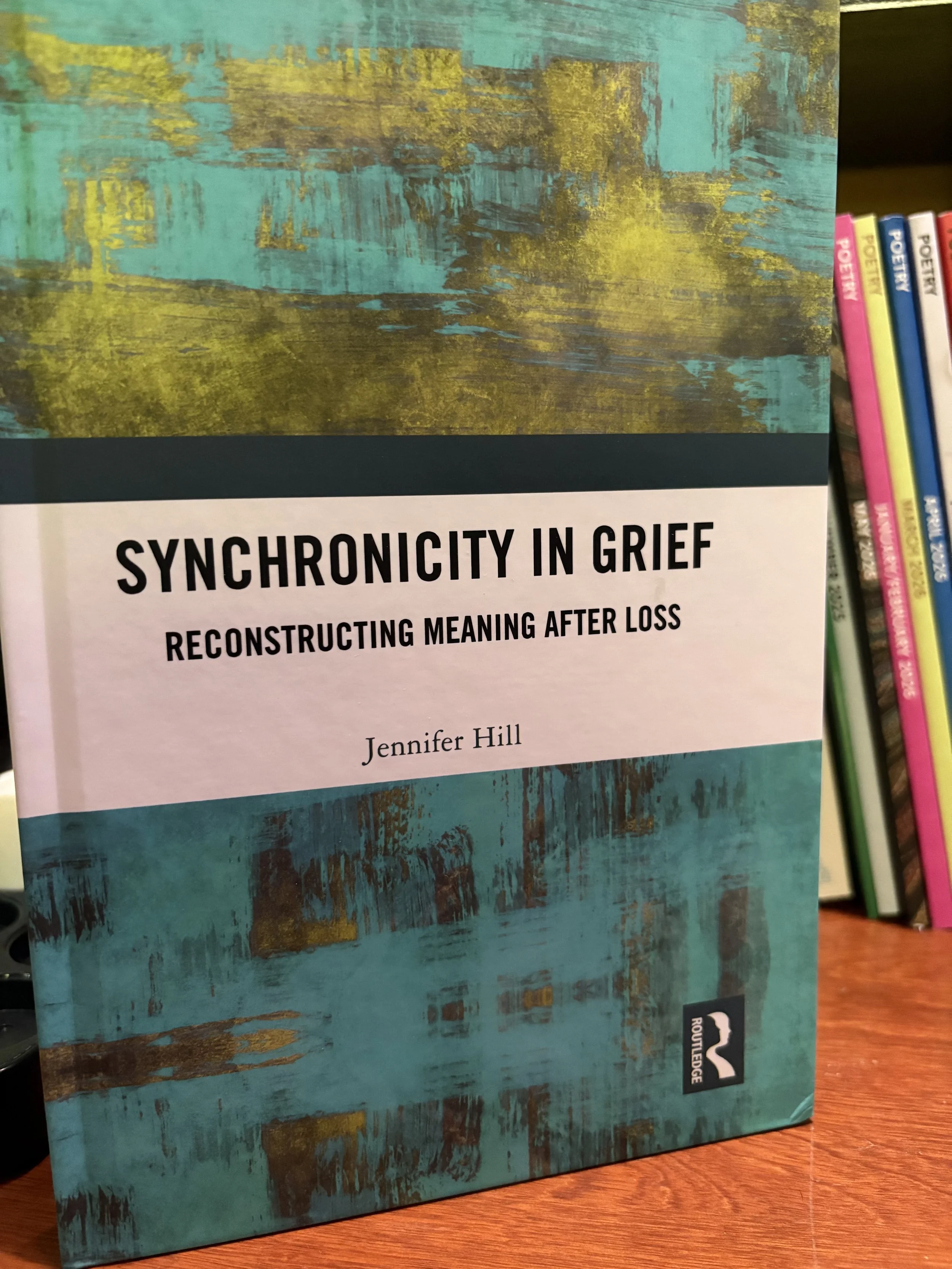
Seventeen years on one side of the editor’s desk, and now my own book is at Routledge. Here is what sitting where my clients sit taught me about revision, perfection, and finally letting the work be what it needs to be.
Almost a year ago, a peer-reviewed article of mine was published online — and I was so deep in book deadlines and client work that I never said a word about it. So here, belatedly and a little sheepishly, is the study that sits underneath everything I write about grief: my synchronicity-and-meaning research in the Journal of Humanistic Psychology.

Your committee sent your dissertation back over formatting — not your argument, not your data. And the chapter that looks almost right but never quite matches the template? That is rarely about the APA rules. It is a handful of Word settings quietly working against you. Here is how to fix each one, once, on Mac or Windows — and a free template with all of it already wired up.