

My Book Just Went to Production. Here’s What That Actually Means.
This week my book entered production. After the submission and the cover and the blurb, the manuscript passes to a team of specialists — copyediting, typesetting, proofreading. Here’s what that stage really involves, and why it’s another lesson in the patience of publishing.

How to Make a Hanging Indent in Word (the Right Way)
Stop tabbing and spacing your way down your reference list. A hanging indent is a one-click paragraph setting — and if you save it as a style, you'll never fight it again. Here's the right way, in about two minutes.

The Reference List Audit I Run on Every Dissertation
The reference list is the last thing you build and the first thing a reviewer scrutinizes — and it's where small, repeated mistakes pile up. After 15 years editing dissertations, I run the same audit on every one. Here are the seven APA 7 reference list errors it catches most, and how to fix each before your draft bounces back.
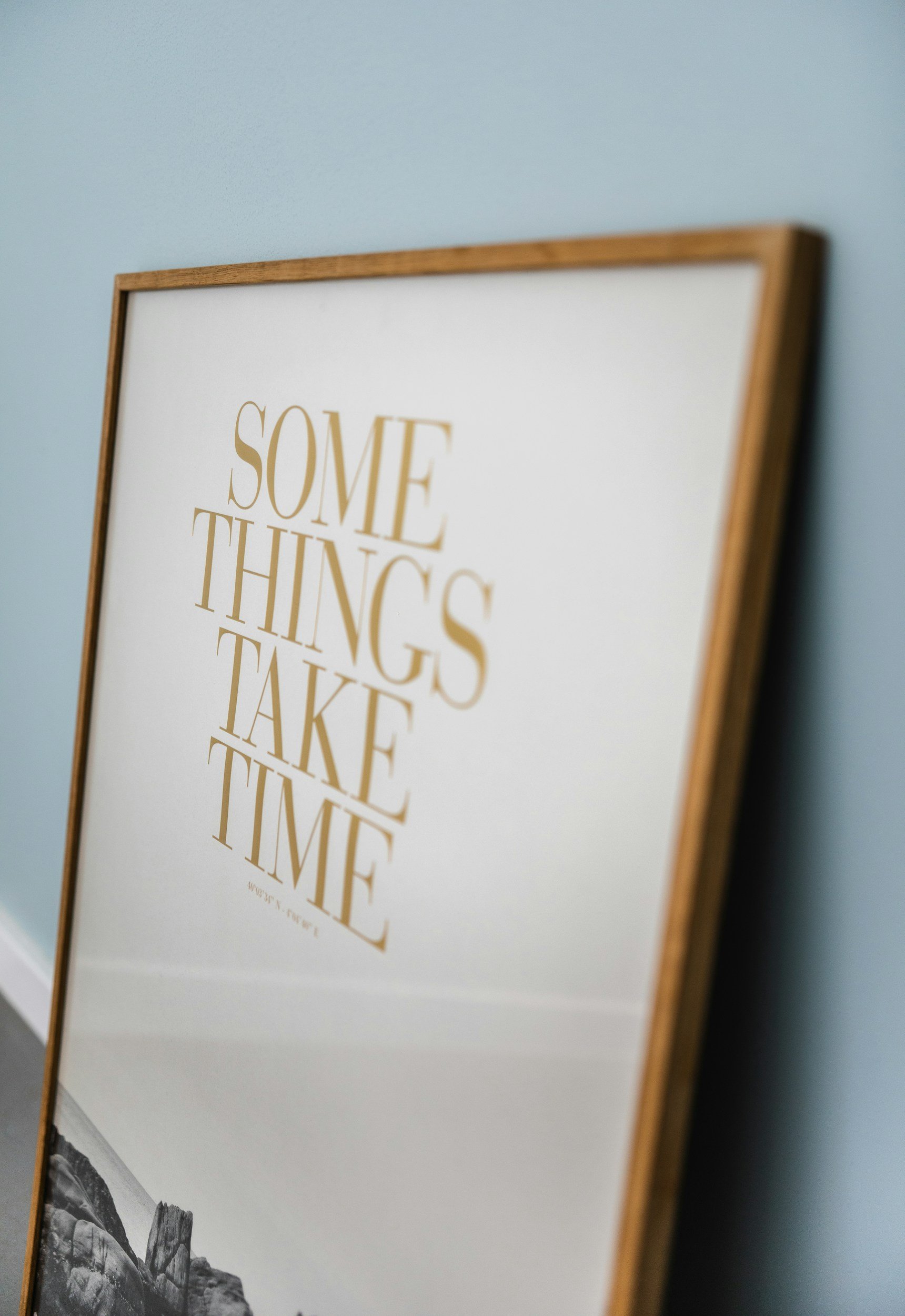
THE PATIENCE OF PUBLISHING: Choosing a Cover, Reading the Blurb
A few weeks after I clicked “submit,” an email arrived from my editor at Routledge with two author queries — the cover design, and the words that will go on the back of my book. No one tells you how emotional these small handoffs are.

What Developmental Editing Really Is — And Why Your Manuscript Needs It Before You Submit
Most academics know they need editing before submitting — but few know which kind. Developmental editing works at the level of structure, argument, and logic, not punctuation. If a manuscript is struggling to find a home, the problem is rarely the grammar. Here's what developmental editing actually does and when to seek it.

The Hidden Risk in Every Book Project: Why Authors Need a Quote Permissions Tracker
Every author who writes non-fiction faces a minefield they often don't see coming: quote permissions. After years of editing academic and professional books, I've watched too many authors discover—sometimes weeks before their publication deadline—that they need expensive permissions for quotes they assumed were covered under fair use. The solution isn't avoiding quotes altogether. It's tracking them systematically from day one with a simple five-column spreadsheet that can save you thousands in legal fees and publishing delays.
